
Introduction
Ashwagandha is a significant plant in the older Indian medicine called Ayurveda. In Ayurveda, it helps to balance the mind and body and keeps you young. People use Ashwagandha to control stress. Its root extract has been shown to reduce stress, improve sleep quality, and ease anxiety when taken regularly.
The usual dose for supplementation is 250-600 mg per day. This is different in various populations. Research shows that daily use of the supplement can lower cortisol and enhance sleep.
Interest in plant-based supplements increased global production volume by 2025. It’s based on market data from the Asia-Pacific region.
This article tells what Ashwagandha is and its benefits. It concludes with its market trends.
What is Ashwagandha?
Ashwagandha is a small plant called Withania somnifera. It is also called Indian ginseng, Indian winter cherry, and poison gooseberry. In Sanskrit, it is known as Ashwagandha, Ashvakandika, Asgandh, Gandhapatri, and Palashaparni.
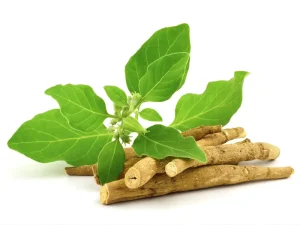
Ashwagandha gets its name from two Sanskrit words, Ashwa, which means horse, and Gandha, which means smell. It has been described as having a horse-urine smell. Roots are mostly used to make supplements. Leaves contain beneficial compounds called withanolides.
Ashwagandha is grown in India, the Middle East, and Africa. This plant is used as an herb in many traditional medicine systems. This includes Ayurveda, Siddha, Unani, African, and Chinese medicine.
History and Traditional Uses
The ancient texts of Ayurveda state that Ashwagandha is a tonic for strength, energy, and recovery after illness. The root powder was used as a tonic for sleep. It is also known as an adaptogen, which allows the body to adjust to physical and mental stress.
Ashwagandha is used for reproductive health and energy. It also helps with recovery during certain seasons. It is used in various herbal preparations in India and neighboring areas.
Health Benefits of Ashwagandha
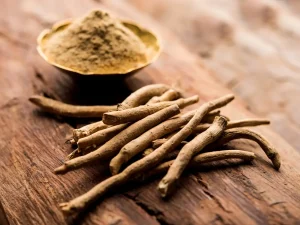
· Stress and anxiety relief
Researchers found that those who took Ashwagandha essence for 60 days had a 41% reduction in anxiety, in contrast to those who didn’t. The study also revealed that those who consumed Ashwagandha had reduced cortisol levels. Cortisol is a hormone that becomes high when you are stressed. Lower cortisol levels lead to lower stress and greater calm throughout the day.
· Improved sleep quality
A study showed that Ashwagandha enhanced sleep quality by 72%. They were also more awake during the day. This is because Ashwagandha does not make people sleepy. Instead, it helps manage stress.
· Boosted testosterone levels and male fertility
In research, men taking 300 mg to 5 g of Ashwagandha daily had higher testosterone. Better sperm count and other signs of good reproductive health were also seen in them. It may help to normalize hormones during its use.
· Cognitive function and brain health
Research shows that Ashwagandha can improve memory, concentration, and speed of thinking. It can also help to reduce brain stress and thus safeguard brain cells. Researchers are exploring its peak potential. They are studying its effects on conditions like Alzheimer’s, Parkinson’s, and Huntington’s disease.
· Anti-inflammatory and immunomodulatory effects
Research shows that Ashwagandha can help decrease inflammation and boost immune health. It has been used to improve the immune system and aid recovery from infections. In laboratory tests, it has been observed to help immune cells function well under stress.
· Energy, vitality, and athletic performance
Analysis of 13 studies shows Ashwagandha helps people get stronger and improves muscle power. It also enhances heart and lung performance during exercise. Those who took it saw an increase in VO2 max, a measure of how efficiently the body uses oxygen. They also recovered faster from exercise for a long time. Some studies found that men gained more upper-body muscle when they took Ashwagandha while doing weight training programs.
Ashwagandha Market Trends
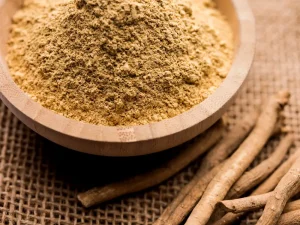
The global Ashwagandha market is anticipated to reach approximately USD 837.5 million by 2025. By 2026, this could grow to about $915.4 million. By 2034, sales could reach $1.86 billion. The market is growing by about 9.3% each year.
The estimated value of Ashwagandha root extract is $1.3 billion in 2025. By 2036, it could be $3.8 billion. The market is anticipated to grow at a 10.3% CAGR between 2026 and 2036.
The use of Ashwagandha capsules and tablets is increasing. The ashwagandha powder accounts for approximately 41% of the market, is stable, and is not overly expensive. About 56% of Ashwagandha use comes from dietary supplements.
Most of Ashwagandha’s production and use occur in the Asia-Pacific region. It is the fastest-selling supplement in North America, with more people taking it. There is also an increase in the number of people purchasing Ashwagandha online, often on a subscription basis.
Conclusion
Ashwagandha root helps reduce stress, improve sleep, and boost muscle strength. When consumed daily, it offers various health advantages. These advantages are supported by both traditional practices and scientific research.
At HD Nutra, we make Ashwagandha supplements using a special root extract in dietary formulations.