Introduction
Private label dietary supplements enable companies to start their own vitamin and health product businesses. The industry keeps growing every year. In 2024, about 20% of all supplement products sold were private labeling supplements. The global market is estimated to be valued at $230 billion by 2027, according to experts.
This guide outlines what private label dietary supplements are and how they work. It also outlines the considerations you need to make before you begin your private label dietary supplement venture.
The Basics of Private Label Supplements
A private label dietary supplement is a manufacturer-developed, custom-made product for a single brand to meet specific needs.
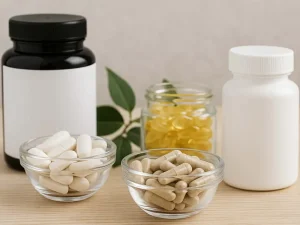
Many people confuse private label programs with white-label products. Here’s the difference:
- White labeling is a marketing strategy in which a third party produces generic products that are then sold under various brand names.
- Private label supplements offer greater control over the brand and may even involve changes to ingredients, packaging, or product design.
Private label dietary supplement programs can help new businesses in many ways. They can start building without a factory, purchasing specialized machinery, or hiring staff. This is one of the primary factors that makes private labeling supplement companies so popular.
How to Start a Private Label Supplement Brand
There are several steps to take when you’re founding a private label dietary supplement company.

Research the Market
Know the needs of people:
- Sleep better
- Manage stress
- Boost brain function
- Manage menopause
- Improve stomach health
- Strengthen their immune system
Choose a Niche
Pick a primary area to concentrate on. It’s easier for people to remember brands that do one thing.
Find a Manufacturer
Your product’s manufacturer is significant. Consider the following when shopping for:
- GMP certification
- Quality testing programs
- No minimum order quantity restrictions
- Product selection
- Fast order turnaround
Build your Brand
Make a logo, product labels, and packages. Good branding makes your products stand out and stay in people’s minds.
Establish your Business
Enlist your company, get any required permits, and establish a system to track your sales and expenses.
Start Selling
The majority of companies begin with one or two products and then expand. This will assist you in checking your stock and save cash.
Managing Common Risks
All private label dietary supplement companies run the risk. There are three main ideas to be aware of:
· Inventory
Supplements do expire. If you order too many, you may end up losing money if they spoil before you sell them.
· Labeling
Private labeling supplements must follow the rules of the labels. You may have to return the product or face legal penalties if you make claims that are not permitted.
· Formulation
Not all ingredients are the same for all people. Quality supplements undergo testing before being sold to ensure safety and effectiveness.
Quality Standards and Compliance
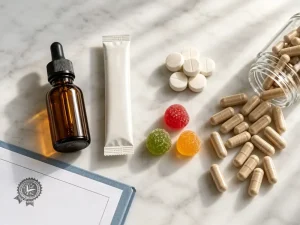
In any private label dietary supplement program, quality is important. Manufacturers should observe Current Good Manufacturing Practices (CGMPs). These rules mean they have to test private labeling supplements for:
- Purity
- Potency
- Identity
- Contaminants
Additionally, some customers and businesses seek specific certifications, such as:
- USDA Organic
- Non-GMO Project Verified
- Vegan Certified
- NSF certification
A study shows that over 90% of college athletes said it was important to know if an outside party tested a private labeling supplement.
Choosing the Right Manufacturing Partner
It is important to choose the right company for your private label dietary supplement. Think about these things:
- Minimum order requirements
- Product availability
- Pricing
- Product certifications
- Facility certifications
- Sales support
- Labeling services
- Product quality
- Shipping speed
- Long-term reliability
Several private label dietary supplement companies can help with labelling, packaging, and compliance.
Conclusion
A good private label dietary supplement partner will help you sell them faster. They can help you avoid most of the hassles involved in making them yourself. Emphasizing quality, compliance, product tracking, and customer support can enhance your private label dietary supplement brand.