
Introduction
The global health supplement market is undoubtedly continuing to grow strongly. According to Precedence Research, it’s estimated to rise to USD 430.39 billion by 2034. That’s from USD 218.88 billion in 2026 at a CAGR of 7.78%.
Considering this, white label supplement products allow businesses to tap into this thriving market. That’s without requiring lengthy product development processes or substantial upfront expenses.
Here, we’ll examine the 10 most profitable white label supplement products worth considering in 2026. We’ll explore white label supplements in more detail and compare them with private label supplements.
What are white label?
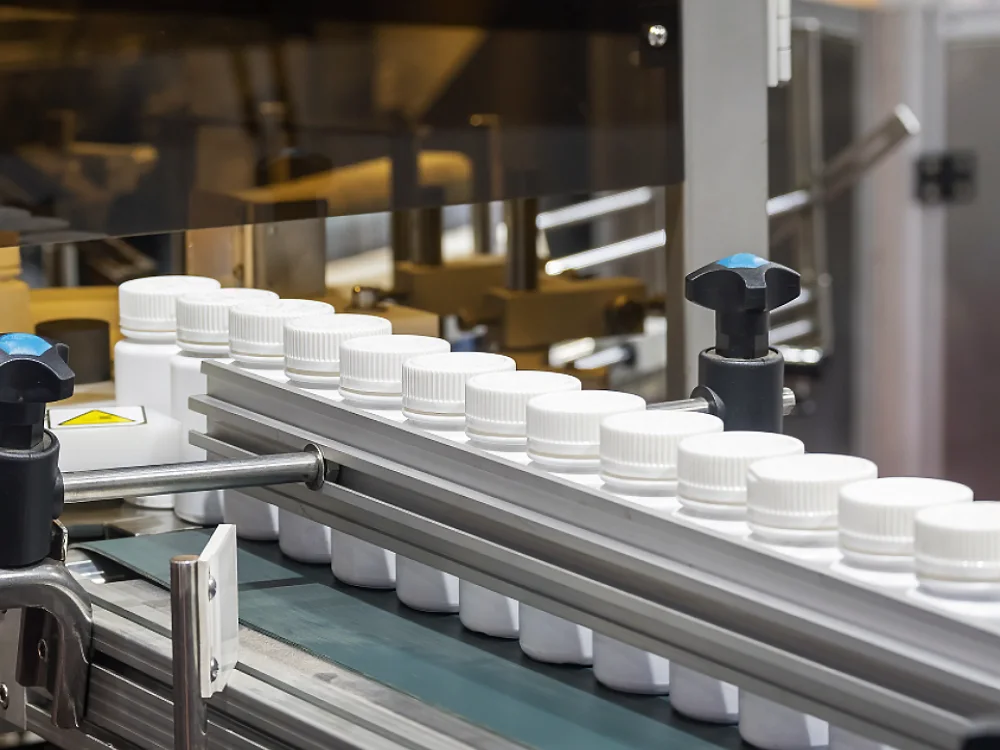
A white label supplement product is a pre-formulated item produced by one company. It’s then rebranded and sold by another company.
White-labeling enables brands to introduce products to the market quickly. It eliminates the need to develop formulas and set up production operations from the beginning.
In this business model, companies pick from pre-formulated, professionally manufactured supplements. They then customize the packaging, labeling, and branding to reflect their business.
White labeling is particularly advantageous for new supplement brands with limited resources. It’s also suitable for established brands eyeing a swift market test to expand their product offerings.
This model lets businesses concentrate on their core competencies, i.e.,
- Branding
- Marketing
- Customer relationships
Meanwhile, they exploit the production expertise of renowned supplement manufacturers.
Private label vs. white label
Let’s explore the essential differences between private label supplement products and white label supplement products:
Private label supplements
Private label supplements imply products produced by a manufacturer according to your specified requirements. You select from the aspects like:
- Dosages
- Ingredients
- Flavors
- Supplement packaging
That customization lets you create a distinctive product that matches your target audience.
White label supplements
As stated before, with white label supplements, you select from a list of pre-formulated products. These are already produced by one company.
You then add your own packaging and branding to such present supplement products. Hence, you “rebrand” them as your own.
The following table illustrates the vital distinctions between these two supplement variants:
| Aspect | Private label supplements | White label supplements |
| Time to market | They take longer to reach the market. | They offer a substantially swifter route to market. |
| Customization level | They offer a high level of customization for supplement products. | They offer limited customization for supplement products. |
| Brand control | They provide complete control over the supplement product. | They offer limited control over the supplement product itself. |
| Costs | Require a higher initial investment. | Require a lower starting investment. |
| Target audience | They are better if you’re targeting a particular audience with distinctive requirements. | They are better if you’re targeting a broader audience with general requirements. |
Top 10 Most Profitable White Label Supplements to Sell in 2026
The following are the most profitable white-label supplement products to sell in 2026. It’s because they combine constant demand, routine usage, and strong consumer awareness. These are:
1. Protein powders
Protein powders form the foundation of the nutrition and fitness markets. They’re thanks to their well-known health benefits.
Take, for example, whey protein powders alone. With distinctions including concentrates, isolates, and hydrolyzed formats, such powders have a broad appeal. It ranges from professional athletes to casual gym goers.
2. Women’s health supplements
Women have distinct physiological and nutritional requirements at varying life stages. From reproductive health to hormonal balance, women’s health supplements are vital for addressing these needs.
Supplements ranging from folic acid to collagen and biotin present profitable white-label opportunities.
3. Multivitamin gummies
Multivitamin gummies are immensely popular these days. People of all ages adore them, so they’re easy to sell and highly profitable. Plus, they’re customizable in terms of shape, flavor, and nutritional profile. That helps brands fulfill varied consumer preferences.
4. Sports nutrition supplements
Sports nutrition supplements, including BCAAs, pre-workout blends, and recovery formulations, are increasingly favored each year. White labeling them lets you jump right into the fitness market and draw in health-focused buyers.
5. Immune and energy support
The demand for immune and energy support supplements remains high. Immunity-boosting supplements comprising elderberry, zinc, and vitamin C are greatly marketable year-round. They meet both everyday wellness requirements and seasonal demands.
Similarly, energy support supplements, including energy drinks, are becoming increasingly favored. By white labeling such products, brands can offer beverages suited to distinct consumer segments. They comprise electrolyte-rich, caffeine-based, or nootropic beverages.
6. Herbal supplements
Herbal supplements offer plant-based, gentle approaches to support overall wellness. That makes them an intriguing choice for customers looking for everyday support.
These supplements also aim to address specific health concerns, including cognitive support and stress reduction. Their examples, including ashwagandha, turmeric, and adaptogens, meet rising consumer demand.
7. Pet nutritional supplements
Pet owners are increasingly focused on their pets’ health. That’s why the pet supplement market is booming.
Pet nutritional supplements targeting skin, coat, joint health, and digestion offer significant white label opportunities. This is especially true for veterinary clinics, pet stores, and online retailers.
8. Probiotic supplements
Probiotic supplements remain among the most profitable white label products to sell in 2026. Gut health continues to receive attention as more people become aware of digestion and overall wellness.
Probiotics are generally utilized as part of an everyday routine and improve gut health. That makes them suitable for subscription-style sales and repeat buying.
9. Omega-3 and other heart health supplements
Heart health supplements, particularly Omega-3 products, also stay popular. Heart health is always on people’s minds in 2026. With constant demand and trust in this category, white labeling these supplements just makes sense.
10. Sleep and mood supplements
In 2026, sleep quality and stress coping remain principal concerns. Supplements created to support bedtime routines and enhance mood attract a wide demographic.
These products are steadily consumed over time and serve as great white label opportunities.
How to successfully launch private label products?
Launching private label supplement products is a strategic path to capture consumer demand. The aim is to capitalize on trends, including personalized wellness, and grow swiftly in the market. Here is a step-by-step procedure to successfully accomplish this goal:
1. Market research and niche identification
The global supplement industry is massive and getting more competitive each year. That’s why market research forms your foundation.
Identify your target niche rather than trying to sell to everyone. Focus on a distinct group, including seniors, athletes, or people passionate about beauty and wellness.
That will help you pick the precise product variant and marketing strategy. For instance, your audience may be intrigued by natural lifestyles. Then, vegan or organic supplement products can be ideal.
Check out tools like Google Trends or scan Amazon reviews to learn what’s trending. Look for gaps where competitors aren’t delivering.
2. Partner with a reliable private label manufacturer
Your manufacturer is the cornerstone of your business. Opting for a reliable partner confirms that your products meet safety standards and uphold quality.
For instance, select one that complies with FDA regulations and GMP (i.e., Good Manufacturing Practices). It should be seasoned when fabricating supplement products.
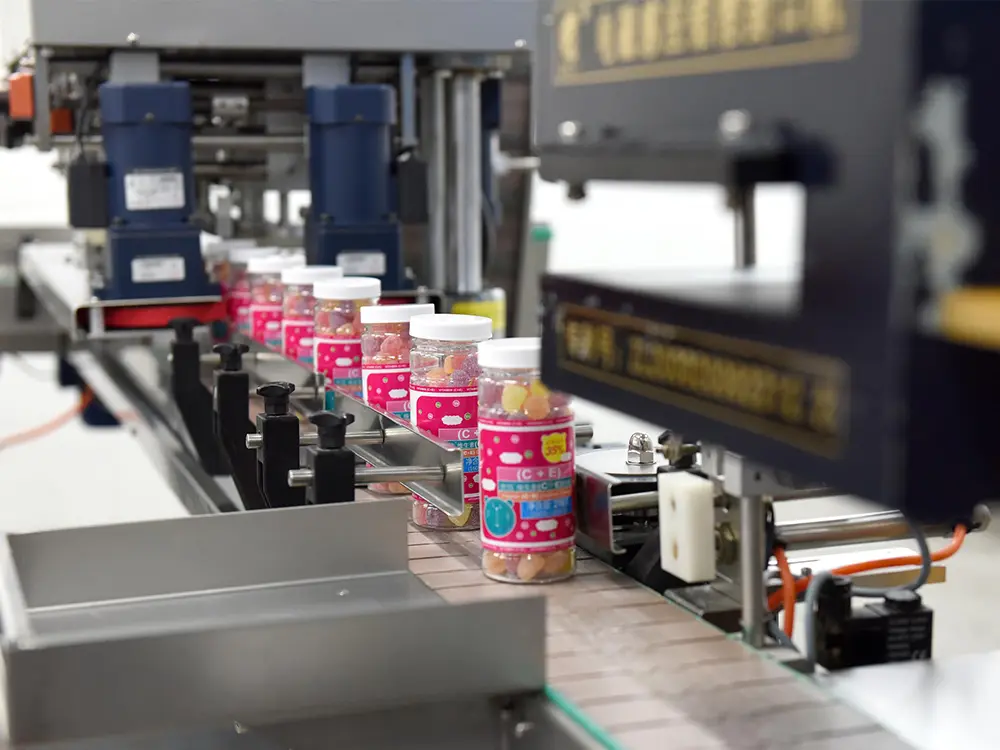
Pick a manufacturer that provides comprehensive services all under one roof. These include:
- Formulation
- Production
- Packaging
- Labeling
3. Select your supplement formulation and packaging
After your manufacturer is finalized, you need to decide on your formulations. You’ve got two options: custom formulation or ready-made formulas.
Custom formulas let you create a distinct, exclusive supplement with specified ingredients and doses. That may necessitate a greater investment, but it provides you with a competitive advantage.
Ready-made formulas suit those who are starting because they’re previously tested, proven, and compliant. You can select from wide-ranging products, including protein powders and multivitamins. Hence, you can brand them as yours.
Your packaging matters as much as the formulation itself and must reflect your brand’s vision. It must follow the FDA’s labeling requirements. If your label looks clean and professional, shoppers are more likely to trust you.
4. Build robust branding
The next phase is to build robust branding. It implies shaping your identity, message, and distinguishing brand values.
It defines your brand story. It should show up everywhere, from your packaging right down to your website and social media. Your website must possess thorough product pages, photos, and trust-building educational content.
5. Ensure quality assurance and legal compliance
In the US, the FDA and FTC monitor labels, health claims, and product safety. It implies that your supplements must:
- Disclose all ingredients
- Include precise Supplement Facts
- Avoid false or overstated claims
You must stay compliant via GMP-certified production, third-party testing, and proper labeling. Following the rules not only protects your company, but it also shows shoppers you’re trustworthy.
6. Test product samples before launch
It’s wise to order samples from your selected manufacturer before placing a larger order.
Sampling lets you evaluate your product’s aspects, including quality, packaging, and taste. Additionally, testing ensures you’re fully confident before launching your product.
At this stage, you make minor adjustments to product features, including flavor or packaging. It saves time and money later on. Once convinced, you can place your initial full-production order and get ready for launch.
7. Launch and sell your supplement products
With the supplement product in hand, it’s time to reach the market. Launch your products on the platforms where your customers spend time. Thus, consider the following:
- E-commerce platforms (e.g., Amazon, Shopify, WooCommerce)
- Affiliate and influencer partnerships
- Social media marketing
- Retail distribution or placement in local health stores
Emphasize your unique selling points (USPs), like plant-based formulations. Offer subscriptions or bundle deals and gather reviews to develop social proof.
8. Scale and widen your private label supplement business
Once sales begin to pick up, it’s time to scale up. Figure out which supplements work best and expand your lineup with fitting products. An example is adding a protein powder if you begin with multivitamins.
Build your nutritional supplement brand with Handian
Handian Nutrition is one of the reputable health supplement manufacturers globally. We offer both white label and private label supplement manufacturing services.
We have expertise in producing quality supplements in diverse delivery methods, including gummies and powders. Contact us now to turn your supplement concepts into reality.